
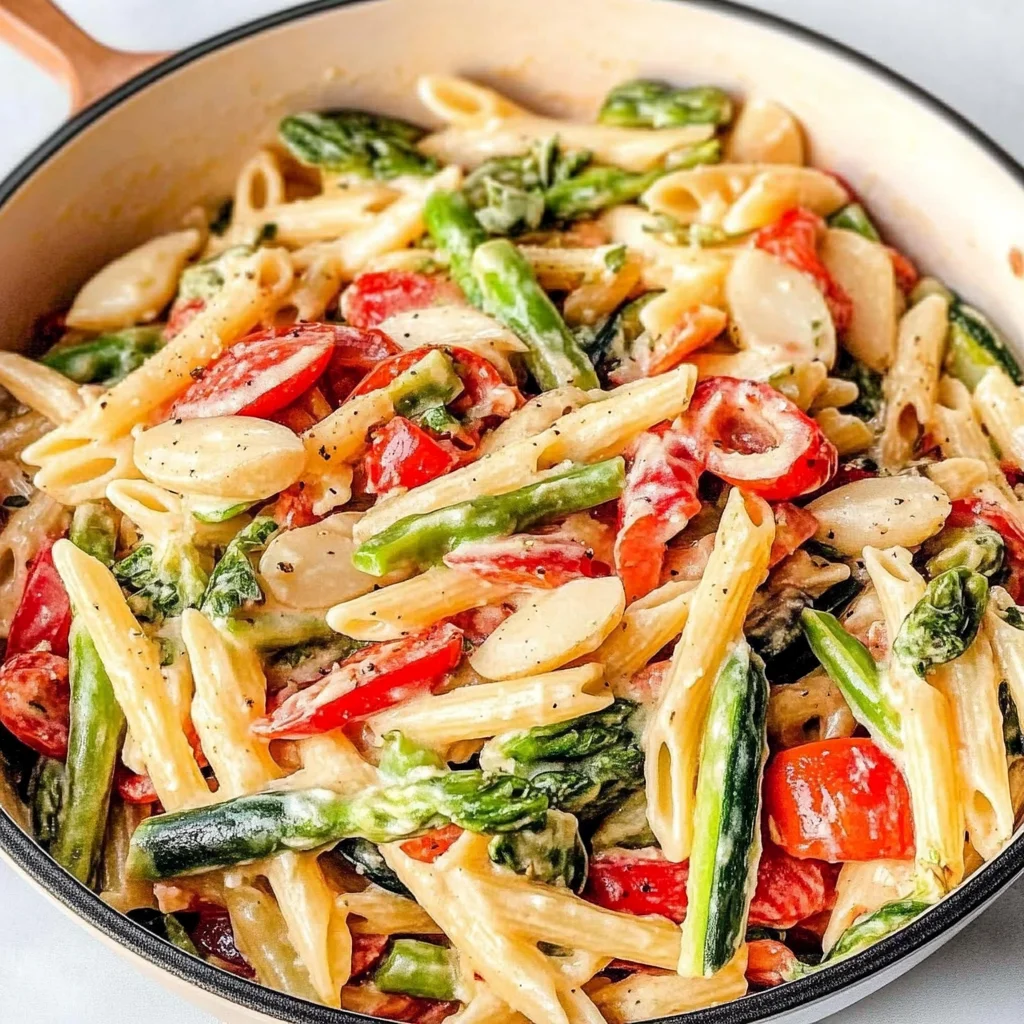
Imagine twirling a forkful of vibrant, al dente pasta, kissed by the essence of spring with every bite. The medley of crisp asparagus, sweet peas, and tender zucchini dances on your palate, while the aroma of fresh herbs wafts through the air, promising a delightful culinary experience that sings of warmth and sunshine.
As you savor this Spring Vegetable Pasta, memories of sun-drenched picnics and lazy afternoons flood your mind. This dish is not just a meal; it’s a celebration of the season, ideal for gatherings with friends or a cozy dinner at home. Get ready to indulge in an explosion of flavors that will leave you craving more!
Why Is Spring Vegetable Pasta So Irresistibly Good?
Freshness shines in every bite with vibrant seasonal vegetables like asparagus, peas, and zucchini. Quick to prepare, this dish takes just 35 minutes from start to finish, making it perfect for busy weeknights. Zesty flavors from lemon and garlic elevate the taste, while optional parmesan adds a creamy touch. Versatile and customizable, you can swap in your favorite veggies or pasta types. Crowd-pleaser appeal ensures it’s a hit at family dinners or gatherings!
Spring Vegetable Pasta Ingredients
For the Pasta
- 12 oz spaghetti (or any pasta of choice) – Choose your favorite pasta; spaghetti is a classic choice that pairs beautifully with the fresh vegetables.
For the Vegetables
- 1 cup asparagus (trimmed and cut into 1-inch pieces) – Asparagus adds a delightful crunch and is packed with nutrients to elevate your Spring Vegetable Pasta.
- 1 cup peas (fresh or frozen) – Peas bring a pop of sweetness, making this dish even more vibrant and appealing.
- 1 cup zucchini (sliced) – Zucchini adds a tender texture; choose medium-sized for the best flavor and consistency.
- 1 cup bell pepper (diced) – Bell peppers contribute a colorful crunch; feel free to mix colors for visual appeal!
- 1 cup cherry tomatoes (halved) – Cherry tomatoes provide juiciness and natural sweetness, enhancing the overall taste of your dish.
For the Sauce
- 3 tbsp olive oil (extra virgin) – Extra virgin olive oil adds richness and depth to the sauce while being heart-healthy.
- 2 cloves garlic (minced) – Fresh garlic infuses the dish with aromatic flavors; adjust based on your preference for intensity.
- 1 tsp lemon zest – Lemon zest brightens up the pasta, giving it a refreshing hint of citrus that complements the veggies perfectly.
- 2 tbsp lemon juice (freshly squeezed) – Fresh lemon juice adds tanginess, balancing the flavors in your Spring Vegetable Pasta beautifully.
- 1/2 tsp salt (to taste) – Salt enhances all the flavors; start with less and adjust based on your preferences.
- 1/4 tsp black pepper (freshly ground) – Freshly ground black pepper adds warmth and complexity to the dish.
- 1/4 cup parmesan cheese (grated, optional) – Parmesan cheese brings a savory umami flavor that elevates this vibrant dish.
For the Garnish
- 2 tbsp fresh basil (chopped) – Fresh basil adds a fragrant finish; it’s perfect for brightening up your Spring Vegetable Pasta just before serving.
Directions: Spring Vegetable Pasta
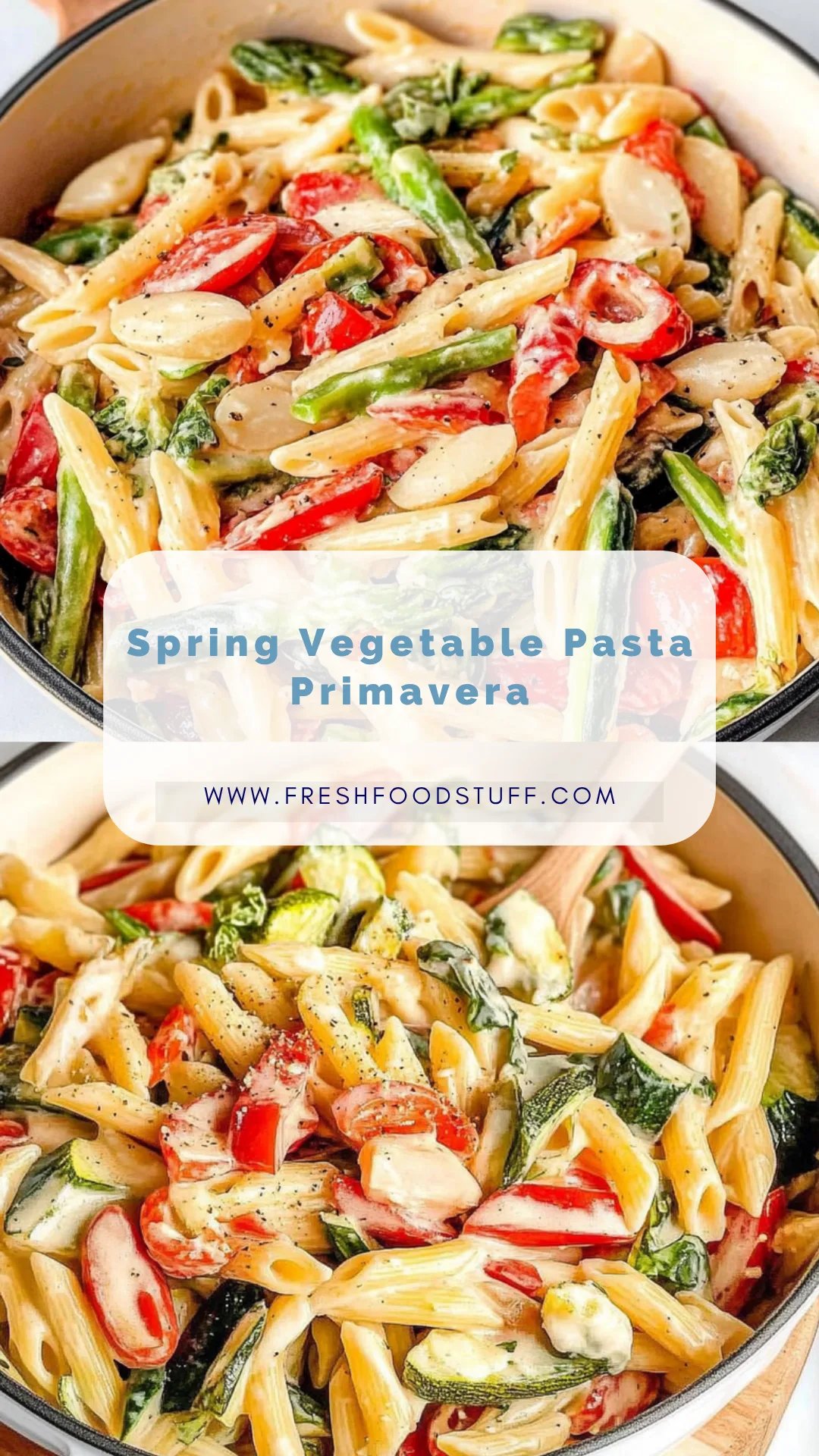
1. Boil Water: Bring a large pot of salted water to a boil. Add 12 oz of spaghetti (or your pasta of choice) and cook according to the package instructions until al dente, typically around 8-10 minutes. Drain and set aside.
2. Heat Olive Oil: In a skillet, heat 3 tablespoons of extra virgin olive oil over medium heat. Once warm, add 2 cloves of minced garlic and sauté for about 1 minute until fragrant, filling your kitchen with a delightful aroma.
3. Sauté Vegetables: Add 1 cup each of asparagus (trimmed and cut into 1-inch pieces), zucchini (sliced), and bell pepper (diced) to the skillet. Cook for about 5 minutes until they start to soften, showcasing vibrant colors.
4. Add Peas and Tomatoes: Stir in 1 cup of peas (fresh or frozen) and 1 cup of halved cherry tomatoes. Continue cooking for an additional 3-4 minutes until everything is heated through, blending the flavors beautifully.
5. Combine Everything: Add the cooked pasta to the skillet with the vegetables. Pour in 2 tablespoons of freshly squeezed lemon juice, along with 1 teaspoon of lemon zest, ½ teaspoon salt, and ¼ teaspoon freshly ground black pepper. Toss everything together gently to combine.
6. Serve it Up: Serve the vibrant dish in a large bowl, garnished with 2 tablespoons of chopped fresh basil and a sprinkle of grated parmesan cheese if desired for that extra touch.
Optional: Drizzle with more olive oil before serving for added richness.
Exact quantities are listed in the recipe card below.
Tips for the Best Spring Vegetable Pasta
- Cooking Pasta Perfectly: Always cook your pasta until al dente to avoid a mushy texture when mixed with the fresh vegetables.
- Fresh vs. Frozen Peas: If using frozen peas, add them directly to the skillet; they’ll thaw quickly and blend beautifully with the warm vegetables.
- Garlic Timing Matters: Sauté garlic only until fragrant to prevent it from burning and turning bitter, which can overshadow the dish’s vibrant flavors.
- Seasonal Veggie Swap: Feel free to substitute or add other spring vegetables like snap peas or radishes for an even fresher Spring Vegetable Pasta experience.
- Don’t Skimp on Zest: Lemon zest adds a bright flavor; ensure you use fresh lemons for the best results, avoiding bottled juice which lacks depth.
- Garnishing Wisely: Add fresh basil just before serving to maintain its vibrant color and aromatic qualities that elevate your pasta dish.
How to Store and Freeze Spring Vegetable Pasta
- Fridge: Store leftover Spring Vegetable Pasta in an airtight container for up to 3 days. This keeps the vegetables fresh and flavor-packed.
- Freezer: You can freeze the pasta without the fresh vegetables or garnish for up to 2 months. Thaw in the fridge overnight before reheating.
- Reheating: Gently reheat in a skillet over medium heat with a splash of olive oil or water until warmed through. Add fresh basil just before serving for extra flavor.
- Parmesan Cheese: If using grated parmesan, consider adding it fresh when serving rather than storing it with the pasta to maintain its texture.
Spring Vegetable Pasta Your Way
Feel free to get creative and make this dish truly your own with these delightful variations!
- Whole Wheat: Swap spaghetti for whole wheat pasta for a heartier, nutty flavor and added fiber. Not only does this change enhance the health benefits, but it also adds a lovely texture that pairs beautifully with fresh veggies.
- Vegan: Omit the parmesan cheese and use nutritional yeast for a cheesy flavor without the dairy. This twist keeps your meal plant-based while still delivering that satisfying umami taste everyone loves.
- Spicy Kick: Add red pepper flakes or diced jalapeños to the sauce for an extra heat boost. A little spice can elevate the dish, making it perfect for those who enjoy a fiery twist on their pasta.
- Herb-Infused: Mix in fresh herbs like thyme or dill for an aromatic lift. Each herb introduces its unique character, creating layers of flavor that will transport you to a sun-drenched garden.
- Protein Power: Toss in grilled chicken, shrimp, or chickpeas to turn this light dish into a filling meal. The added protein not only enhances the texture but also makes it more satisfying, perfect for hearty appetites.
- Seasonal Swap: Use whatever seasonal vegetables are available to keep things fresh and exciting. From spring peas to summer squash, each choice brings its own charm and taste, ensuring every bite is an adventure.
- Zesty Twist: Experiment with different citrus juices like lime or orange to brighten the flavors. A splash of citrus can completely transform your dish, adding vibrant notes that dance on your palate.
Make Ahead Options
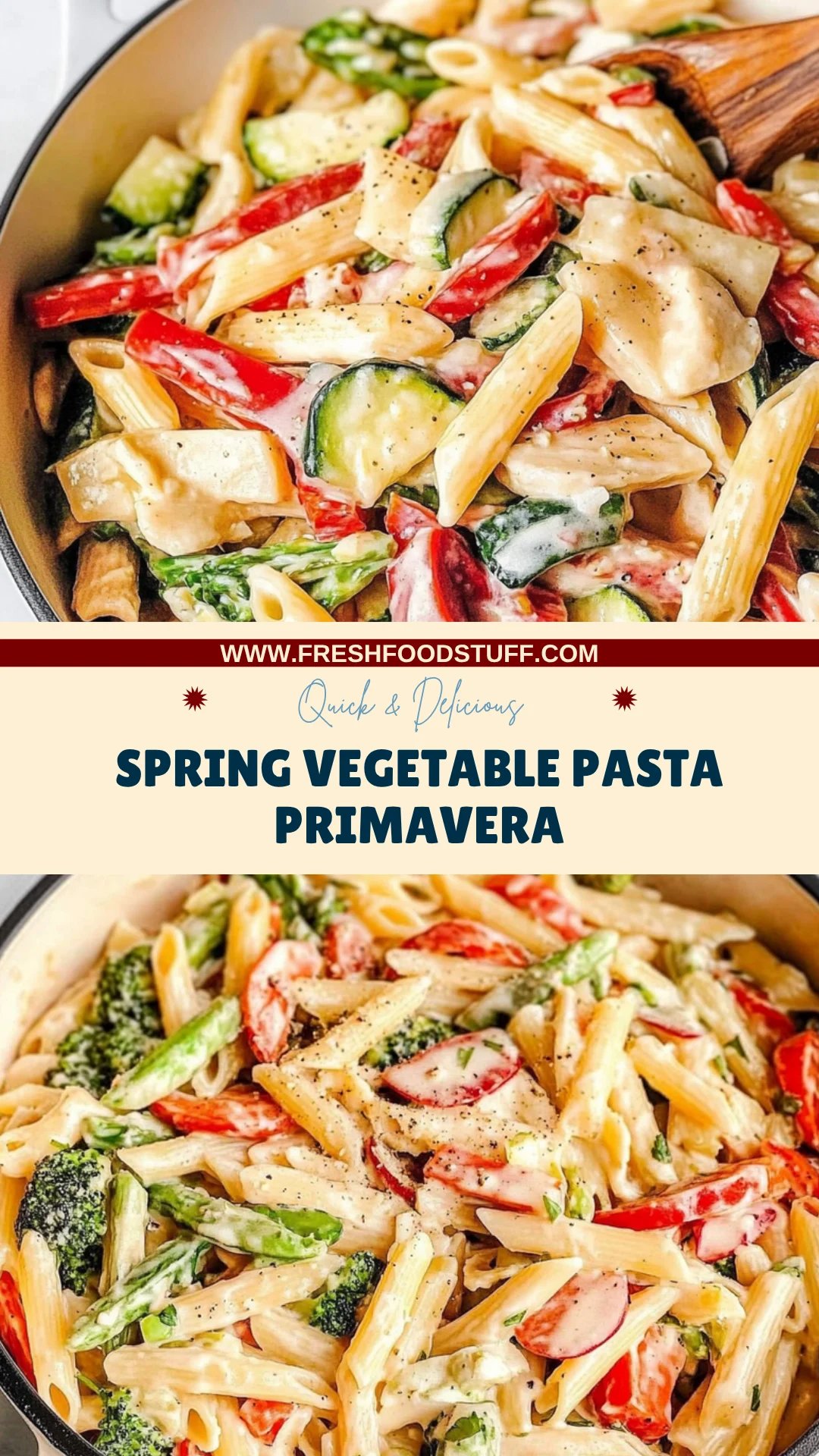
This Spring Vegetable Pasta is not only a delightful dish but also a fantastic option for meal prep, allowing you to enjoy fresh flavors throughout the week. You can prepare the vegetables—like trimming the asparagus, slicing the zucchini, dicing the bell pepper, and halving the cherry tomatoes—up to 24 hours in advance. Cook the pasta al dente, as per package instructions, and store it separately in an airtight container for up to 3 days. When you’re ready to serve, simply sauté the garlic and vegetables in olive oil, then toss in the pre-cooked pasta along with lemon juice and zest for a quick finish. This approach not only saves time but ensures that your Spring Vegetable Pasta remains vibrant and delicious when you dig in!
Spring Vegetable Pasta Recipe FAQs
How can I choose the best vegetables for my Spring Vegetable Pasta?
When selecting vegetables, opt for seasonal produce to maximize freshness and flavor. Asparagus, zucchini, bell peppers, peas, and cherry tomatoes are not only vibrant but also tender when sautéed. Look for firm asparagus and bright green peas; they should feel crisp to the touch. If you can’t find fresh peas, frozen ones work great too!
Can I prepare this dish ahead of time?
Absolutely! You can cook the pasta and sauté the vegetables in advance. Store them separately in airtight containers in the fridge for up to 3 days. When you’re ready to serve, simply reheat everything in a skillet over medium heat for about 5–7 minutes until warmed through. Add the lemon juice and zest just before serving for that fresh zing!
Is it possible to freeze Spring Vegetable Pasta?
While it’s best enjoyed fresh, you can freeze the vegetable mixture without the pasta. Allow it to cool completely, then transfer it to freezer-safe bags or containers. It will keep well for up to 2 months. When you’re ready to enjoy it again, thaw overnight in the fridge and then reheat on the stove or microwave before adding freshly cooked pasta.
What if I don’t have parmesan cheese?
No worries! Parmesan adds a lovely salty richness, but if you don’t have any on hand or prefer a dairy-free option, nutritional yeast is an excellent substitute that provides that cheesy flavor without dairy. You can also skip it altogether; the dish is still delicious with just the veggies and sauce.
How do I ensure my pasta is cooked perfectly?
To achieve al dente pasta, follow package instructions closely—typically about 8–10 minutes for spaghetti. Remember to taste a strand a minute or two before it’s done; you want it firm yet tender! Don’t forget to reserve a bit of pasta water when draining; adding a splash can help create a silkier sauce later.
What’s an appropriate serving size for this dish?
This recipe yields four hearty servings at approximately 350 calories each. If you’re serving it as a main course alongside other dishes, you might find that it stretches even further! Feel free to adjust portion sizes depending on your guests’ appetites or dietary needs while enjoying this vibrant meal together.
Spring Vegetable Pasta
Ingredients
Method
- Bring a large pot of salted water to a boil. Add the spaghetti and cook according to package instructions until al dente. Drain and set aside.
- In a skillet, heat the olive oil over medium heat. Add the garlic and sauté for 1 minute until fragrant.
- Add the asparagus, zucchini, and bell pepper. Cook for about 5 minutes until they start to soften.
- Stir in the peas and cherry tomatoes, cooking for an additional 3-4 minutes until heated through.
- Add the cooked pasta to the skillet with the vegetables. Pour in the lemon juice, lemon zest, salt, and pepper. Toss to combine.
- Serve in a large bowl, garnished with fresh basil and grated parmesan cheese if desired.